Craft Trends: How Technology Is Influencing Creative and Innovative Projects
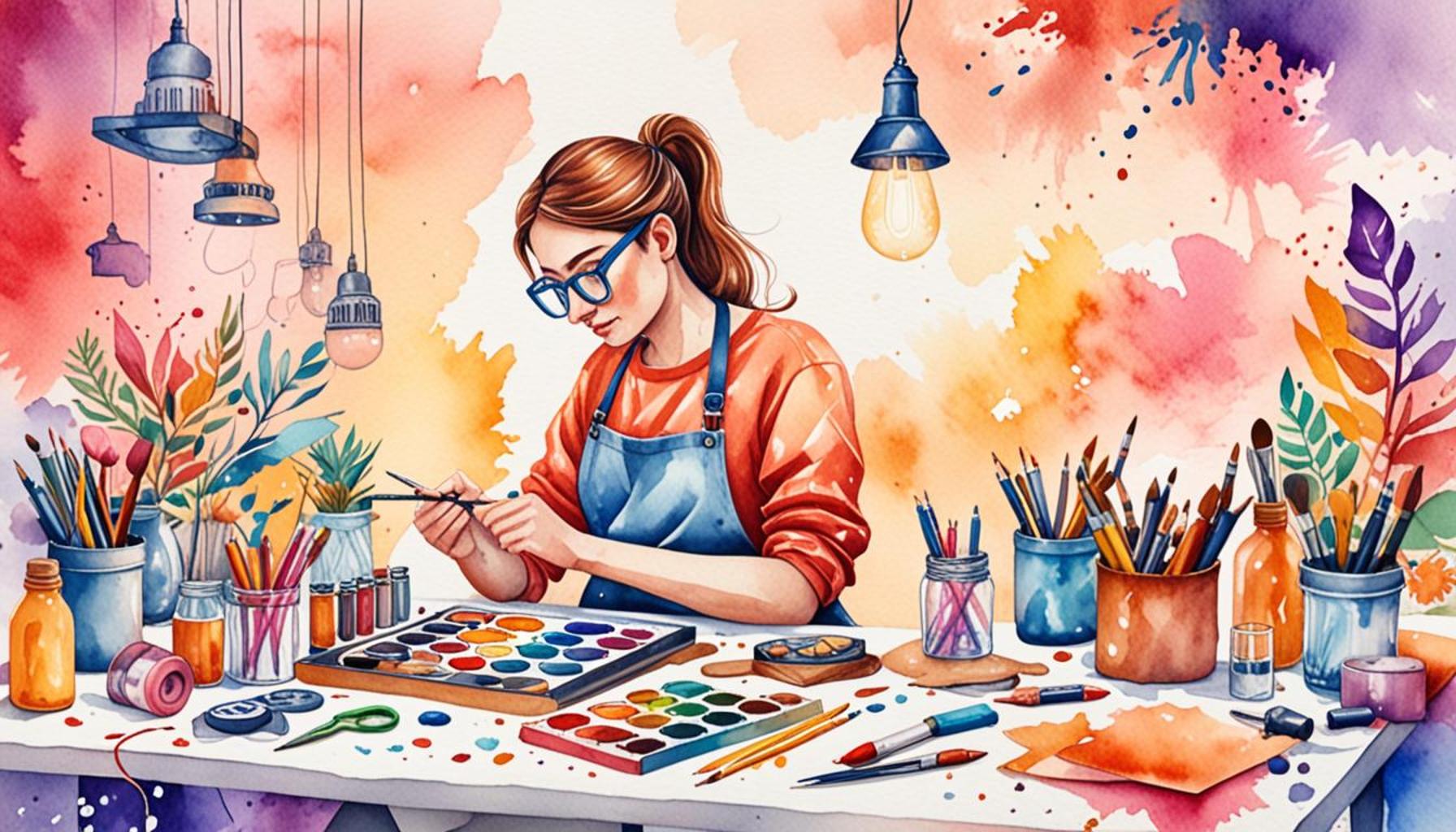
Exploring the Future of Creativity
As our world becomes increasingly intertwined with technology, the landscape of creative expression is undergoing a remarkable transformation. This intersection of technology and craft is a fertile ground for creative and innovative projects, making it essential for makers and artisans to keep pace with advancements. Tools and techniques that once felt exclusive to a few are now accessible, democratizing creativity for enthusiasts across the United States.
A significant driving force in this creative renaissance is 3D printing. This technology allows artisans to turn their digital designs into tangible objects with incredible precision. For example, a jewelry maker can create unique, custom designs that would be labor-intensive or impossible to produce by hand. With the ability to rapidly prototype and iterate designs, makers can experiment without the constraints of traditional crafting methods, significantly reducing costs and time investment.
Another pivotal trend is the rise of social media platforms like Instagram and TikTok. These platforms not only serve as a showcase for artists and crafters but also create vibrant communities. They offer a space for creatives to share their processes, collaborate, and receive instant feedback from a global audience. For instance, a sculptor can post a time-lapse video of their work, capturing the attention of potential customers and fellow artists alike, while also participating in trending challenges that highlight their craft.
Moreover, the proliferation of online marketplaces such as Etsy has revolutionized the way handmade goods are marketed and sold. Artisans can now reach customers around the world, bypassing traditional retail limitations. This global exposure enables makers to not only sell their work but also to build a brand identity. Many artisans have found their niche by leveraging these platforms, turning hobbies into profitable businesses. Understanding how to navigate these online spaces can significantly influence an artist’s success.
As we explore these ongoing trends, it becomes evident that technology is not merely a tool for efficiency but a redefiner of the entire crafting ethos. The advent of digital tools has broadened the scope of what it means to be a maker, inviting a diverse range of voices to the forefront of the creative economy. Whether you are an experienced artisan or someone just discovering your creative potential, embracing these technological innovations can provide invaluable insights and open doors to new artistic avenues.
DIVE DEEPER: Click here to uncover more insights
The Digital Crafting Revolution
The infusion of technology into the crafting world is not only enhancing traditional methods but also revolutionizing how artists and makers approach their projects. As trends evolve, it becomes increasingly clear that technology serves as both a facilitator and an instigator of change. Various tools are now available to help individual crafters tap into their creativity while streamlining their processes. Let’s explore some of the standout technological innovations that are shaping the future of crafting.
Emergence of Virtual Reality (VR) in Crafting
One of the most exciting developments is the use of Virtual Reality (VR)</strong) in creative projects. This immersive technology allows artists to enter dynamic virtual spaces where they can manipulate their creations in 3D. Whether it's painting, sculpting, or designing intricate textile patterns, VR technology offers a platform for makers to visualize their work like never before. Workshops and tutorials utilizing VR are gaining popularity, providing users with guided experiences that yield immediate results.
Augmented Reality (AR) Enhancing Craft Experiences
In addition to VR, Augmented Reality (AR) is playing a critical role in redefining user experiences. With apps designed to help hobbyists visualize potential projects before committing resources, makers can make more informed decisions. For example, a furniture maker can superimpose their designs in a real-world setting using an AR app, allowing customers to see how a piece would look in their own space. This not only aids in decision-making but also enhances customer engagement.
Tools Transforming Traditional Crafting
- Drones: Used for capturing aerial views of art installations or landscapes, drones are becoming a popular tool for artists looking to integrate innovative perspectives into their projects.
- Laser Cutters: These powerful machines allow artists to create intricate designs on a range of materials, vastly broadening possible artistic expressions. From home décor to custom gifts, laser cutters can produce complicated patterns with enviable speed and accuracy.
- Smart Sewing Machines: Incorporating technology into textile crafts, these machines can automate complex stitching patterns, making sewing projects more accessible for beginners while still offering advanced options for seasoned artisans.
These tools signify a shift towards a more technologically integrated approach, catering to a generation that values both creativity and efficiency. With the ability to quickly iterate on projects, makers can focus on the artistic process rather than the tedious logistical aspects of crafting. As a result, the once-niche world of crafting is seeing an influx of newcomers eager to explore their talents, fueled by modern innovations.
In the end, technology is not merely enhancing the craft experience but is also reshaping the community surrounding it. Craft enthusiasts can now connect with others who share similar interests regardless of geographical boundaries, fostering collaboration and encouraging inspiration. As technology continues to advance, the potential for creative projects expands, leading us into a future where innovations and artistry coexist in unprecedented harmony.
| Advantage | Impact on Crafts |
|---|---|
| Enhanced Accessibility | Technology enables artisans to reach wider audiences through social media platforms, diversified marketplaces, and online tutorials. This expands opportunities for creative expression and income generation. |
| Creative Tools | Innovative tools, such as 3D printing and digital design software, empower creators to experiment and produce unique items quickly. Such advancements foster innovation by reducing the limitations previously imposed by traditional practices. |
The embrace of technology in the crafting world is not merely a trend; it’s a revolution. With the use of advanced digital tools, crafters can explore new horizons previously deemed inaccessible. For instance, augmented reality (AR) allows artists to visualize their creations in real-world contexts before even starting the physical production. Digital workshops and online courses are becoming standard, providing unlimited access to expertise and inspiration from around the globe. Moreover, technology-driven marketplaces are reshaping the landscape for selling handcrafted products, enabling artisans to connect with customers who appreciate their unique artistry and creative visions. As we witness this transformation, it’s evident that technology is not just supporting craft trends but actively shaping them into an innovative future.
DIVE DEEPER: Click here to discover the art of visual storytelling
Interactive Platforms Empowering Creativity
Another key facet of the craft trends shaped by technology is the rise of interactive online platforms that are enabling artisans to collaborate, share, and learn from one another. From social media networks exclusively dedicated to crafting, such as Instagram and Pinterest, to platforms like Skillshare and Udemy, the access to knowledge and inspiration is virtually limitless. These digital spaces foster communities where creators can exchange ideas, showcase their work, and even sell their crafts directly to consumers. This newfound interconnectivity is transforming how makers approach traditional methods, leading to a more diverse range of artistic expressions.
3D Printing: A Transformational Tool for Makers
The arrival of 3D printing has undeniably reshaped various crafting landscapes. This technology allows artists to design and produce intricate sculptures, jewelry, home décor, and functional items with high precision and minimal waste. For instance, jewelry designers can experiment with custom shapes and materials, bringing unique pieces to market quicker and more affordably. Furthermore, the accessibility of 3D printers has democratized manufacturing, enabling even novice creators to bring their designs to life without hefty investment costs. As this trend grows, we see a surge of pop-up makerspaces across the United States where individuals can rent access to advanced printing technology, connecting local communities through shared resources.
Online Craft Marketplaces Driving Entrepreneurial Spirit
Moreover, the rise of online marketplaces such as Etsy and Amazon Handmade has made it easier than ever for crafters to reach global audiences with their products. These platforms not only serve as sales channels but also as spaces for makers to present their stories and establish their brand identities. With user-friendly interfaces and integrated payment systems, craft entrepreneurs can focus on creativity and innovation while managing their businesses effectively. This has particularly empowered marginalized groups and underrepresented artisans, providing them with a viable path to entrepreneurship. Consequently, we are witnessing a remarkable diversification in the types of crafts marketed, as people from different backgrounds learn to harness their cultural heritage within their artistic outputs.
Artificial Intelligence (AI) Augmenting Creativity
Artificial Intelligence is another frontier impacting the crafting world. Tools powered by AI are assisting artists in brainstorming ideas, customizing designs, and even generating patterns autonomously. For instance, graphic designers can utilize AI-generated visuals to enhance their projects or take inspiration from algorithms that predict trending designs. This technology not only spurs creativity but also prompts makers to consider their artistic approaches in entirely new ways. Designers are now challenged to engage with their creativity alongside machine learning capabilities that offer surprising, often unexpected results.
The embrace of technology within the crafting community exemplifies the idea that innovation isn’t just about abandoning traditional techniques but also about integrating modern functionality with time-honored artistry. As the craft landscape continues to evolve, it is empowering creators to push boundaries, challenge norms, and engage more deeply with their passions. This interaction between technology and creativity exemplifies the continued journey of crafting as an evolving form of expression, bridging gaps across generations of artists and hobbyists alike.
DIVE DEEPER: Click here to learn more
Conclusion
In summation, the fusion of technology and crafting has ignited a transformative wave, reshaping creative landscapes and inspiring innovative projects. With digital platforms nourishing a global tapestry of artisans, the barriers to entry in the crafting world are eroding. From the accessibility of 3D printing to the democratization of craft entrepreneurship through platforms like Etsy, technology is not merely enhancing traditional art forms but also breathing new life into them.
The introduction of artificial intelligence is another noteworthy facet, as it provides tools that enhance artistic expression and enable creators to explore realms previously unimagined. By using AI for idea generation or design customization, artists are discovering collaborative potential with technology that extends beyond conventional means. This encourages a dynamic relationship where human creativity and machine learning coexist, fostering a rich environment for exploring novel artistic avenues.
As the crafting community continues to evolve, the interplay between innovation and tradition reveals diverse narratives woven from cultural heritages and personal stories. The journey into this new crafting era highlights the importance of adaptability and collaborative spirit among creators, ultimately enriching the artistic dialogue across generations. For aspiring crafters and seasoned artisans alike, embracing these technological advancements not only expands creative possibilities but also cultivates resilience and growth in an ever-changing marketplace.
For those eager to delve deeper into these craft trends shaped by technology, exploring online courses, engaging in local makerspaces, and following innovative artists on social media will provide a treasure trove of inspiration and knowledge. The craft world is not only thriving but flourishing, and its future looks as vibrant and multifaceted as the makers themselves.
Related posts:
Innovations in Craft Projects: How New Technologies Are Transforming DIY
Transforming Antique Furniture: Upcycling Techniques for Home Customization
Eco-Friendly Crafting Top 5 Sustainable Materials for Projects
Sustainability in Craft Projects: Transforming Recyclable Materials into Works of Art
DIY Home Decor Turn Everyday Items into Stunning Art Pieces

Linda Carter is a writer and creative hobbies expert specializing in crafting, DIY projects, and artistic exploration. With extensive experience helping individuals discover their creative potential and bring their ideas to life, Linda shares her knowledge on our platform. Her goal is to empower readers with practical tips, inspiring ideas, and step-by-step strategies for success in the world of creative hobbies.