The Art of Visual Storytelling: How to Tell Stories Through Drawing and Painting

Unleashing the Power of Visual Narratives
Every image holds a story waiting to be unveiled. Visual storytelling bridges the gap between art and narrative, allowing viewers to explore emotions, experiences, and perspectives through drawings and paintings. Through the strokes of a brush or the lines of a pencil, artists can communicate complex ideas without uttering a word.
Art is a universal language, with its own syntax made up of colors, shapes, and textures. What elements make visual storytelling captivating? Consider the following:
- Color choice: Colors evoke emotions and set the tone of the narrative. For instance, warm colors like red and orange often create feelings of warmth and passion, while cooler hues like blue can evoke calmness or sadness. Think of artwork like Edward Munch’s “The Scream,” where the fiery reds and oranges contribute to the overwhelming sense of anxiety.
- Composition: The arrangement of elements guides the viewer’s eye and shapes the message. A well-composed artwork can direct attention to specific areas, using techniques such as the rule of thirds or leading lines. For example, in Leonardo da Vinci’s “The Last Supper,” the strategic placement of figures and the perspective draws the viewer’s focus to Christ at the center, emphasizing his importance within the narrative.
- Symbolism: Using familiar objects can deepen the storytelling experience. Artists often incorporate symbols to represent larger ideas or themes, such as the use of a skull in vanitas paintings to signify mortality. In Frida Kahlo’s self-portraits, personal items and cultural symbols are interwoven to narrate her experiences of identity and pain.
Visual storytelling can be found everywhere, from classic paintings in museums to the vibrant murals that adorn urban landscapes. Iconic artists like Frida Kahlo and Vincent van Gogh have mastered the art of communicating their life stories through their unique styles. Kahlo’s emotive self-portraits, rich in symbolism, depict her physical and emotional struggles, while van Gogh’s swirling skies and expressive brushwork invite viewers into his tumultuous world. But it’s not just the renowned artists who harness this skill; everyday individuals can express their own stories through simple sketches or digital illustrations, using platforms like Instagram or personal blogs to reach broader audiences.
As we delve deeper into the nuances of visual storytelling, we will explore techniques, historical context, and the modern impact of drawing and painting. With advancements in technology, tools such as graphic design software and digital tablets are making art more accessible than ever. Creatives from all backgrounds are transforming traditional storytelling into visual formats, whether through comics, animation, or interactive installations. Get ready to unravel the layers that transform mere visuals into compelling narratives, capturing the essence of the human experience and reflecting the diverse tapestry of society.
DISCOVER MORE: Click here for sustainable crafting ideas
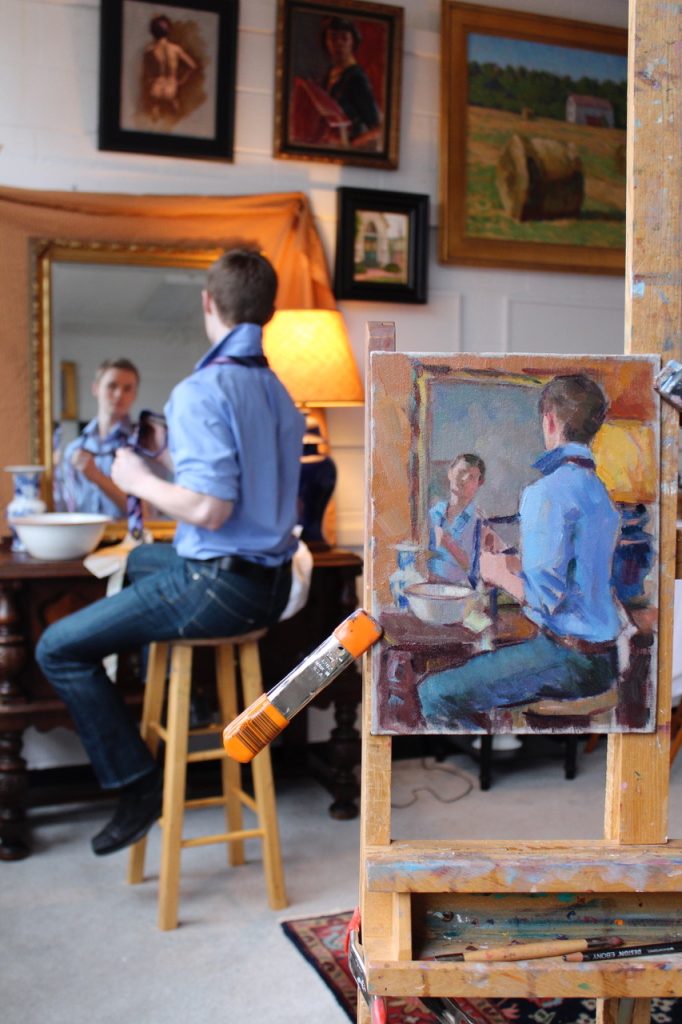
The Essential Techniques Behind Visual Narratives
To grasp the essence of visual storytelling, it’s vital to recognize the techniques that artists use to transform their visions into narratives that resonate with audiences. Each artist brings a unique approach, yet there are fundamental methods that can enhance anyone’s ability to convey stories through drawing and painting.
One cornerstone is the execution of line work. The way lines are drawn can dramatically alter the interpretation of an image. For example, sharp, jagged lines can communicate turmoil or aggression, while soft, smooth lines might evoke peace and tranquility. Artists like Pablo Picasso exemplified this through their exploration of line; in his various phases, he adapted his line work to reflect different emotional states and themes. Understanding how lines interact with the viewer can elevate a simple illustration into a profound narrative.
Texture is another crucial element of visual storytelling that artists exploit to create depth and dimension in their work. Textural variations can invite viewers to engage with the art more intimately. A rough texture may evoke raw emotions, while a smooth, polished surface may symbolize order and clarity. For instance, the tactile quality of Van Gogh’s brushstrokes in “Starry Night” establishes a turbulence that enhances the sense of motion and emotional upheaval in the scene.
- Contrast: Utilizing contrasts in light and shadow can highlight key aspects of a story. Artists like Caravaggio perfected this technique through chiaroscuro, creating dramatic tension that pulls viewers into the narrative.
- Perspective: Manipulating perspective allows artists to create a focal point or immerse viewers into the scene. An example is Gustave Caillebotte’s depiction of urban life, which uses perspective to make the viewer feel as if they are part of the bustling city landscape.
- Imagery: The use of metaphors and allegorical imagery can address complex themes in a relatable way. Works like “American Gothic” by Grant Wood use symbolism to comment on American values and culture, inviting viewers to explore deeper meanings within seemingly simple scenes.
A deep dive into the history of visual storytelling reveals that these techniques are not just modern inventions; they have been employed for centuries, often evolving with cultural shifts and technological advancements. From the hieroglyphics of ancient Egypt to the intricate tapestry art of the Middle Ages, storytelling through art has been a way for societies to document history, share beliefs, and illustrate shared experiences. Understanding this historical context not only enriches one’s appreciation of visual narratives but can also inspire contemporary artists to innovate upon these age-old methods.
As we continue our exploration, we’ll look at how technology both challenges and enhances the art of visual storytelling. Social media platforms and digital art tools provide new avenues for expression, transforming how stories are shared and perceived. The realm of visual storytelling is ever-evolving, and understanding its foundations equips both artists and audiences to embark on this creative journey together.
| Category 1 | Category 2 |
|---|---|
| Visual Communication Techniques | Utilization of color, composition, and form |
| Emotional Engagement | Creating a connection through relatability |
Visual storytelling through drawing and painting is pivotal to conveying deep narratives. By mastering visual communication techniques, artists can effectively utilize color, composition, and form to deliver messages that resonate with viewers. For instance, the use of warm colors might evoke feelings of joy or comfort, while cooler tones can evoke calmness or sadness, impacting the viewer’s reaction significantly.Moreover, emotional engagement is crucial. Artists have the unique power to forge a connection with the audience through relatable storytelling. By depicting characters or scenes that mirror shared human experiences, the ability to immerse viewers deepens, encouraging them to find personal meaning in the narrative. Through these methods, artists not only craft visually stunning pieces but also invite audiences into a shared emotional journey, sparking interest in further exploration of their work and techniques.
DIVE DEEPER: Click here to discover how artistic exploration can elevate your emotional well-being
The Impact of Color and Composition in Visual Storytelling
As we delve deeper into the realm of visual storytelling, we cannot overlook the powerful effects of color and composition. These elements are critical in guiding a viewer’s perception and emotional response to artwork, turning a mere image into a compelling narrative.
Color serves not only as a visual tool but also as a language of its own. Different colors evoke various feelings and associations. For instance, warm colors like reds and yellows can create a sense of energy or urgency, while cooler shades such as blues and greens often instill calmness and serenity. Artists frequently use color theory to create emotional landscapes. For example, Matisse’s vibrant use of color in “The Dance” captures the exhilaration of movement and joy, immersing the audience in an emotive experience. The strategic application of color can spark connections and enhance storytelling in a profound way.
Composition plays an equally crucial role in visual storytelling, shaping how elements within a piece are arranged. Artists employ various compositional techniques, such as the rule of thirds, to draw the viewer’s eye to specific points of interest, thus directing the narrative focus. A well-composed piece allows the viewer to navigate through the artwork, almost like a journey. For example, Andrew Wyeth’s “Christina’s World” expertly utilizes composition to lead the viewer’s gaze across the landscape, emphasizing the isolation and yearning of the central figure. A thoughtful arrangement of visual elements can transform a flat image into a dynamic story that invites exploration and reflection.
Symbolism and Cultural Context
The intricacies of symbolism further deepen the layers of storytelling present in visual art. Artists frequently infuse their work with symbols that carry specific meanings, often reflective of societal norms, values, or historical contexts. This can allow artists not only to tell personal stories but also to communicate universal experiences. Take for instance “The Persistence of Memory” by Salvador Dalí. The melting clocks within the painting symbolize the fluidity of time and the nature of reality, pushing the viewer to ponder deeper existential questions.
Cultural context also plays a significant role in how stories are interpreted through art. An artwork can embody the customs and trials of a community, allowing those familiar with that culture to grasp its significance while offering a window into that world for outsiders. An excellent example is Frida Kahlo’s paintings, which draw from her Mexican heritage, exploring themes of identity, pain, and resilience. The vibrant colors and cultural motifs not only narrate her personal struggles but also reflect broader societal issues.
Interactive Storytelling Through New Media
Today, the emergence of technology has transformed traditional methods into modern storytelling avenues. Artists can now leverage digital platforms and multimedia tools to create interactive art that engages viewers on deeper levels. Platforms ranging from social media to art-specific websites allow artists to share the narratives behind their work, breaking down the barriers between creator and audience. Interactive exhibitions, augmented reality, and virtual reality experiences enable viewers to immerse themselves in the story being told, allowing for a more engaging and personal connection.
The evolution of visual storytelling is an exciting journey, continually shaped by both historical and contemporary influences. As artists embrace new technologies and styles, they reinterpret traditional techniques, ensuring that the art of visual storytelling remains a vibrant and dynamic form of expression. Understanding these layered aspects not only benefits the creators but also enriches the experiences of those engaging with their work. Through exploration and innovation, the world of visual storytelling promises to unveil even more compelling narratives in the years to come.
DISCOVER MORE: Click here to learn about sustainable crafting materials
Conclusion: The Endless Possibilities of Visual Storytelling
In conclusion, the art of visual storytelling opens up a world of endless possibilities, revealing the profound ability of drawing and painting to communicate complex narratives. The interplay of color, composition, and symbolism enriches the stories that artists weave, allowing them to engage viewers on both emotional and intellectual levels. These artistic elements guide the audience’s perceptions, inviting them to explore their own interpretations and responses, thus creating a unique dialogue between the artist and the observer.
Moreover, as we embrace the digital age, the integration of interactive storytelling through new media enhances the traditional practices of visual art. Digital platforms not only expand the reach of these narratives but also provide innovative ways for viewers to engage with artistry. This evolution signifies a transformation in storytelling, merging the essence of art with technology to create immersive experiences that resonate long after the viewer has stepped away.
Ultimately, appreciating the art of visual storytelling requires an open mind and a willingness to delve beyond the surface. Each piece serves as a gateway to deeper understanding—both of the artist’s intent and the collective human experience. As artists continue to explore and challenge the boundaries of visual expression, we can expect even richer narratives to emerge. The journey of storytelling through art is one that continually unfolds, inviting us to revisit and discover anew each time we encounter a work of art.
Related posts:
Imaginative Expressions: The Impact of Creative Writing on Mental Health and Well-Being
Writing the Unexpected Surrealisms Impact on Modern Poetry
The Art of Visual Storytelling How Illustration Boosts Creativity
Exploring the Art of Visual Storytelling: How Illustration Can Transform Stories into Imaginative Ex...

Linda Carter is a writer and creative hobbies expert specializing in crafting, DIY projects, and artistic exploration. With extensive experience helping individuals discover their creative potential and bring their ideas to life, Linda shares her knowledge on our platform. Her goal is to empower readers with practical tips, inspiring ideas, and step-by-step strategies for success in the world of creative hobbies.