Traditional Craft Meets Modernity Cultural Activities Inspire New Hobbies
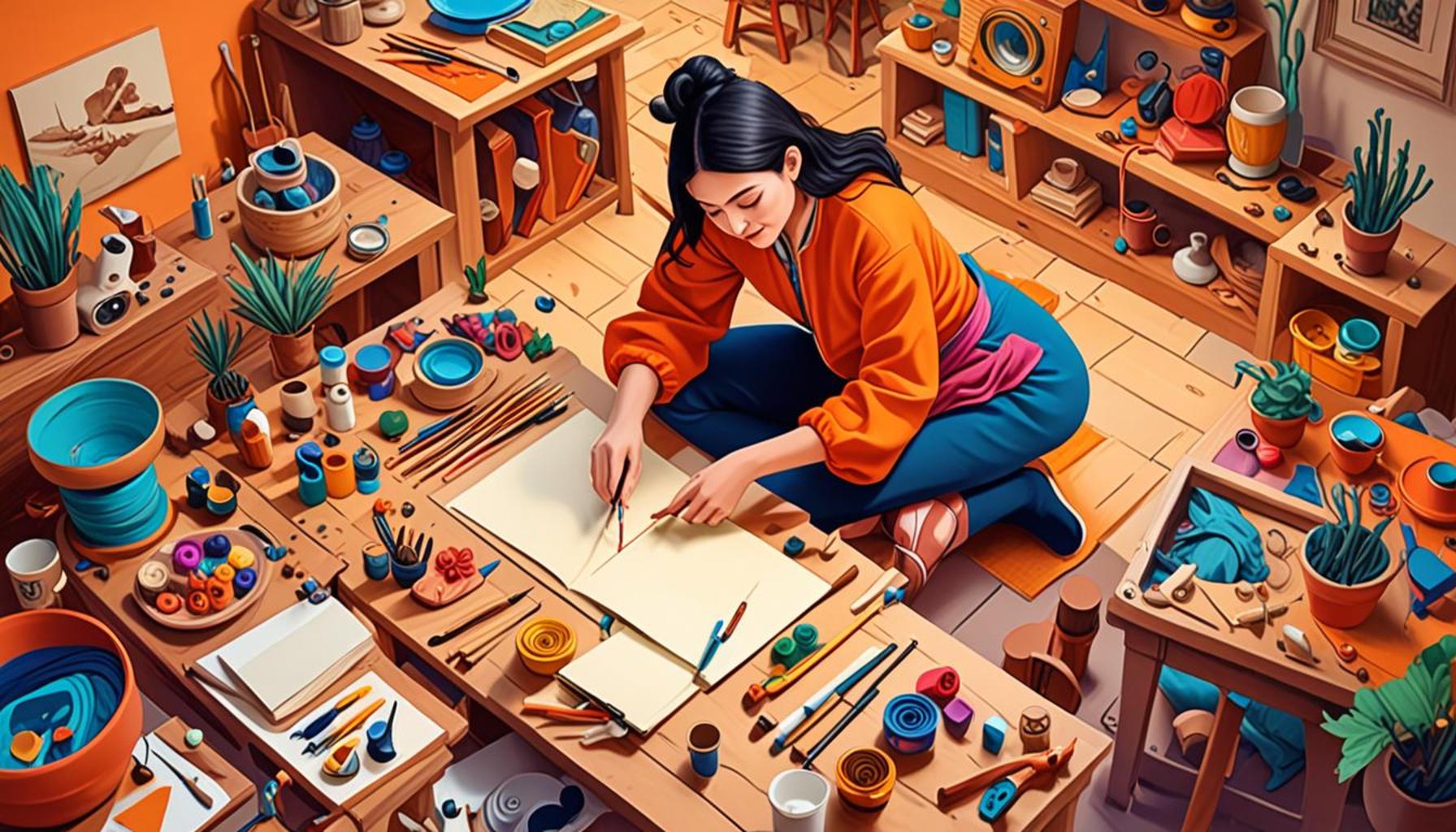
Exploring the Fusion of Heritage and Innovation
In a world increasingly dominated by technology, the allure of traditional crafts remains remarkably strong. As individuals seek creative outlets, activities that marry the richness of cultural heritage with modern techniques are emerging as popular new hobbies. This intersection not only fosters a deeper appreciation for craftsmanship but also unlocks pathways to personal expression.
Many are drawn to this blend for several reasons:
- Reviving Ancestral Skills: Preserving and celebrating traditions while adapting them for today’s lifestyle.
- Community Engagement: Connecting with like-minded individuals through workshops and online platforms.
- Personal Satisfaction: Creating unique, handmade items that reflect individual creativity.
As we delve into this vibrant realm, we will explore the Top 5 creative hobbies that embody this unique fusion. Each selection showcases how traditional techniques can breathe new life into our everyday experiences, encouraging both novices and seasoned craftspeople to engage and inspire. Let’s uncover the diverse opportunities that await in the intersection of the old and the new.
Exploring the Intersection of Traditional Craftsmanship and Modernity: The Relevance of Cultural Activities in Creating New Hobbies
In the vibrant tapestry of human history, craftsmanship constitutes a vivid thread that weaves together cultural heritage and modern innovation. The meeting point of these forces has fostered a dynamic range of hobbies that intertwine the old with the new, encapsulating participants in a realm where culture, history, and creativity coalesce. This article explores five intriguing avenues where cultural activities have evolved into contemporary hobbies, resonating deeply with today’s society. Join us on a countdown from five to one as we navigate these exciting developments.
5. The Revival of Handcrafted Pottery
Pottery, an ancient art form dating back to the earliest civilizations, has been a defining cultural artifact for millennia. Today, there is a renewed enthusiasm for handcrafted pottery, reflecting a societal shift towards sustainable, authentic, and tactile forms of expression. As an increasing number of individuals seek hobbies that allow them to create with their hands, pottery classes have grown in popularity.
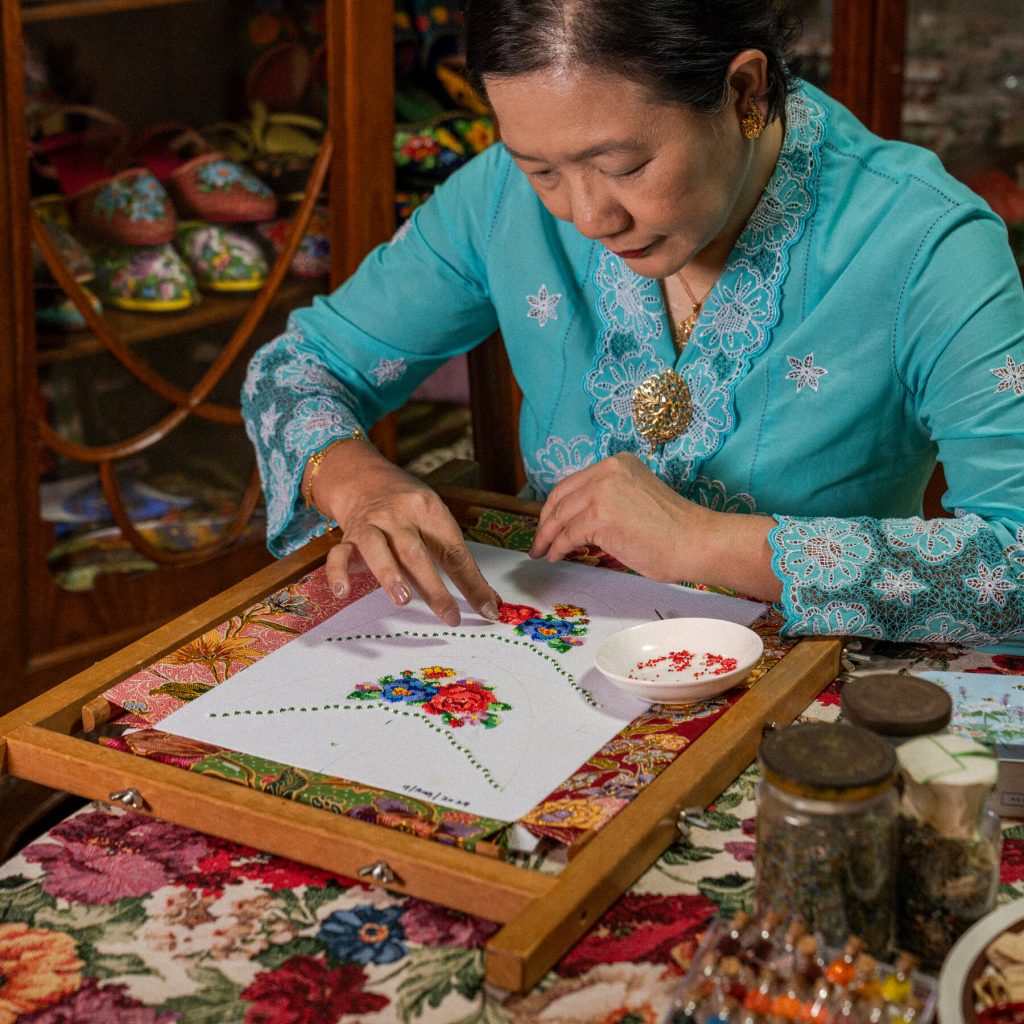
In these settings, traditional techniques are often blended with contemporary aesthetics, enabling artisans to explore creativity beyond commercial constraints. Courses focus on the ancient arts of wheel throwing and hand-building, with modern twists that incorporate glazing and firing techniques of today’s world. The therapeutic nature of molding clay makes pottery an ideal hobby for those looking to ground themselves through a meditative process.
The benefits of pottery are manifold:
- Enhances focus and mindfulness – The tactile experience of working with clay demands attention to detail, promoting a meditative and mindful state.
- Encourages self-expression – Crafting pottery provides a canvas for personal artistic flair, allowing each piece to be a unique reflection of the creator.
- Connects with community – Pottery classes often cultivate a sense of belonging and foster relationships within artistic communities, encouraging a communal exchange of ideas and techniques.
4. Quilting: A Stitch in Time for Cultural Heritage
Once a necessity for warmth and practicality, quilting has transformed into a sophisticated hobby and art form. Modern quilters draw upon rich traditions to construct pieces that are more than just blankets or wall hangings; they are cultural narratives imbued with stories and memories.
The artistry of quilting allows individuals to convey personal and cultural stories through thoughtful craftsmanship. Today, quilters often participate in collaborative efforts, joining quilting bees and clubs where the interchange of skills and narratives creates vibrant social tapestries. The symbolism contained within quilts also aligns them with various social movements, championing causes of inclusivity, resistance, and empowerment.
This intersection of heritage and modern expression can be seen in the use of contemporary fabrics and themes while retaining time-honored quilting techniques. Technology, such as computerized sewing machines, has further broadened the horizons of what’s possible, marrying the ancestral with the novel.
3. Weaving: A Time-Honored Art Form Reimagined
Weaving, a cornerstone of craftsmanship throughout human history, is reconsidered and reimagined by modern enthusiasts who embrace this art both as a hobby and as a homage to cultural legacies. The therapeutic rhythm of interlacing fibers on a loom builds a connection to the past while allowing for creative innovation.
Today, weaving manifests in varied forms, from traditional tapestry and rug weaving to more avant-garde expressions like macramé and mixed media. Workshops and classes often integrate historical techniques with contemporary materials and aesthetics, providing a rich palette for creative exploration.
Weaving not only requires patience and precision but also offers rewards in the form of beautifully crafted, tangible works. By actively participating in weaving, individuals engage with a tradition that highlights the interconnectivity of cultures and the timeless value of handmade goods.
2. Upcycling: The Fusion of Sustainability and Artistry
Amid growing environmental concerns, upcycling has emerged as a compelling modern hobby that marries traditional craftsmanship with a commitment to sustainability. It involves repurposing discarded items into new, valuable artifacts, emphasizing creative resourcefulness and ecological responsibility.
This movement extends across numerous artistic disciplines:
- Furniture refurbishing – Old furniture finds new life through reconditioning processes such as painting, reupholstering, and structural repairs.
- Textile art – Unwanted clothing and fabric scraps become quilts, bags, or distinct home decor items.
- Jewelry making – By using outmoded materials, artisans create unique, bespoke jewelry pieces that reflect personal style and sustainable living.
Through upcycling, hobbyists contribute to an evolving cultural narrative that values reducing waste and promoting environmental stewardship, reshaping society’s relationship with consumption and conservation.
1. Digital Crafting: Bridging Tradition with Modern Technology
In an era where technological advancement is unrelenting, digital crafting has seen a meteoric rise in prominence among artists and hobbyists who navigate the frontier between traditional art forms and digital innovation. This burgeoning field leverages cutting-edge tools such as design software, 3D printers, and laser cutters to redefine the boundaries of craft.
Digital crafting encompasses a variety of disciplines, including:
- Graphic design – Artists employ programs to create digital illustrations, animations, and interactive designs that can be shared online or printed on demand.
- 3D modeling and printing – Combining artistry with engineering, hobbyists create intricate three-dimensional objects, from figurines to functional prototypes, in their living room workshops.
- Digital fabrication – Laser cutting and CNC machining offer precision crafting, empowering hobbyists to design and produce complex structural designs directly from digital blueprints.
The allure of digital crafting lies in its democratization of tools and techniques, making the process more accessible to diverse audiences and connecting a global network of creators through virtual platforms.
In summary, as traditional craftsmanship meets modernity, a new era of hobbies emerges, celebrating the symbiosis of cultural heritage and contemporary innovation. These evolving pastimes not only honor time-tested skills but propel them into the future, inviting participants from all walks of life to reinvent what it means to be a craftsperson in the 21st century. This intersection of tradition and technology redefines hobbies, crafting a future rich with creative potential.
| Category | Key Features |
|---|---|
| Revival of Traditional Skills | Artisanal practices like weaving, pottery, and woodworking are gaining popularity as people seek to connect with their heritage. This revival not only brings skill back to life but also emphasizes the importance of craftsmanship in a digital age. |
| Hybrid Crafting Techniques | Combining traditional methods with modern technology, like using laser cutting and 3D printing, creates unique products that appeal to contemporary sensibilities while honoring classical techniques. This amalgamation offers opportunities for innovation and creativity that can attract new hobbyists. |
| Sustainability Practices | The growing awareness of environmental issues has led to a surge in sustainable crafting. By using recycled materials and eco-friendly processes, individuals can engage in hobbies that not only enrich their lives but also contribute positively to the planet. |
| Community Building | Crafting often fosters a sense of community as people gather for workshops and events. The social aspect of sharing skills and experiences not only enhances the learning process but also builds lasting connections among enthusiasts. |
Frequently Asked Questions
What is the significance of combining traditional crafts with modernity?
The amalgamation of traditional crafts with modern techniques provides a unique opportunity to preserve ancient skills while adapting them to contemporary tastes. By doing so, these crafts become more relevant to today’s society, appealing to a broader audience. Through this integration, artists can create innovative pieces that capture the imagination of a new generation. Additionally, the fusion promotes a deeper understanding and appreciation of cultural heritage, which can lead to the **revival of lost or endangered artisanal practices**.
How are cultural activities influencing the creation of new hobbies?
Cultural activities play a crucial role in introducing people to unique and diverse forms of expression. They provide a platform for individuals to engage with different art forms, often sparking an interest in learning and participating. This interaction can be the catalyst for the development of new hobbies, as people are encouraged to explore more about the craft, try their hands at it, and even integrate these practices into their everyday lives. With **increased accessibility through workshops and online platforms**, cultural activities are more readily available, thus inspiring a wave of creative hobbyists.
Are there economic benefits linked to the popularity of traditional crafts as new hobbies?
Yes, the rise in popularity of traditional crafts as hobbies can have positive economic implications. As more people engage in these crafts, there is a boost in demand for materials and tools, supporting local suppliers and artisans. Moreover, these hobbies can lead to small business ventures or side businesses, contributing to the economy. Craft fairs, exhibitions, and online marketplaces provide artists with **opportunities to monetize their skills**, fostering a creative economy that values and sustains traditional craftsmanship.
What challenges might arise in the integration of traditional crafts with modernity?
The blending of traditional crafts with modern elements is not without its challenges. One primary concern is the potential loss of authenticity, as crafts are adapted to suit contemporary tastes. This might lead to a dilution of cultural significance if not handled with care. Additionally, artisans might face pressure to constantly innovate to remain relevant, which can be taxing and lead to the **commercialization of once-sacred techniques**. Balancing tradition with innovation requires sensitivity and respect for cultural roots, ensuring that the essence of the craft is retained even as it evolves.
How can one support the preservation of traditional crafts in the modern age?
Supporting the preservation of traditional crafts can be achieved in several ways. Consumers can purchase handmade items directly from artisans, ensuring that these creators receive fair compensation for their work. Attending workshops and classes not only helps financially but also aids in the **transmission of skills to new generations**. Advocating for policy changes that protect and promote cultural heritage can also play a significant role. Social media and digital platforms offer powerful tools for raising awareness and connecting global audiences with the beauty and significance of traditional crafts.
Conclusion
As we explore the intersection between traditional craftsmanship and modernity, it becomes clear that cultural activities play a pivotal role in revitalizing creative hobbies. This article has illuminated the unique way in which ancient artisanal techniques are being reimagined in contemporary contexts, allowing for a celebration of heritage while fostering innovation.
The integration of modern technology with age-old skills not only preserves these crafts but also injects them with new life, appealing to a broader audience. These activities enrich personal development by offering individuals a tangible connection to culture and history, transforming crafts into sources of relaxation and personal expression.
Key Takeaways
- Preservation of Heritage: Traditional crafts offer a bridge to our past, maintaining cultural diversity and historical awareness.
- Modern Innovation: New technologies, such as digital design tools and social media platforms, have the potential to amplify the reach and impact of these crafts.
- Personal Fulfillment: Engaging in such hobbies can provide a sense of accomplishment and personal growth, fostering creativity and mindfulness.
- Broadening Accessibility: With online learning and global connectivity, more people can access and learn traditional crafts, democratizing the process.
- Community Building: These activities encourage collaboration and sharing of knowledge, strengthening cultural ties across generations.
In essence, the synergy between traditional and modern practices enriches the realm of creative hobbies. As more individuals find value and joy in these pursuits, the continuity and evolution of cultural crafts are assured. It is a transformative journey where past meets future, encouraging us to examine our own creative potential through the lens of time-honored traditions.
Ultimately, the crossroads of tradition and modernity not only revitalize cultural crafts but also offer an intriguing canvas for those looking to embark on creative journeys. It invites readers to delve deeper, discover new passions, and contribute to the ever-evolving tapestry of human creativity.
Related posts:
Exploring the Intersection of Creative Hobbies and Local Cultural Heritage
The Role of Cultural Activities in Inspiring New Trends in Creative Hobbies
The Integration of Cultural Activities and Creative Hobbies in Promoting Mental Well-Being
How Cultural Activities Can Enrich the Learning Experience in Creative Hobbies
The Influence of Music and Dance on Creative and Craft Hobby Practices
The Connection between Cultural Activities and the Development of Individual Creative Projects

Linda Carter is a writer and creative hobbies expert specializing in crafting, DIY projects, and artistic exploration. With extensive experience helping individuals discover their creative potential and bring their ideas to life, Linda shares her knowledge on our platform. Her goal is to empower readers with practical tips, inspiring ideas, and step-by-step strategies for success in the world of creative hobbies.