Writing the Unexpected Surrealisms Impact on Modern Poetry
Exploring the Enigmatic Influence of Surrealism
The world of poetry has always been a realm for exploring emotions and ideas, but with the advent of surrealism, it transcends conventional boundaries. This movement, born in the early 20th century, revolutionized artistic expression by inviting writers to delve into the depths of their subconscious. As a vital thread in the tapestry of contemporary poetry, surrealism encourages poets to embrace the unexpected and challenge perceptions through imaginative imagery.
In today’s creative landscape, where hobbies serve as both an outlet and a means of self-discovery, understanding the significance of surrealism becomes crucial. It not only influences traditional forms of poetry but also inspires a new generation of writers eager to break free from routine. As we uncover the top five examples of surrealism’s impact on modern poetry, readers will gain insights into how this style continues to shape and redefine artistic endeavors.
- Inspiration for Creative Expression: Surrealism encourages writers to tap into their imagination.
- Challenging Conventional Narratives: It provides a unique lens to view reality.
- Freedom of Interpretation: Surreal works allow for personal connections and varied interpretations.
Prepare to embark on a journey through the realm of the surreal, where the unexpected reigns and the ordinary transforms into the extraordinary.
Top 5: Writing the Unexpected – The Importance of Surrealism in Contemporary Poetry
5. The Evolution of Surrealism in Poetry
Surrealism emerged as a radical movement in the early 20th century, seeking to revolutionize the world of art and literature. Its influence extends across various art forms, with poetry being a significant recipient of its avant-garde techniques. Initially conceived by figures like André Breton and Paul Éluard, surrealism guided poets to explore themes beyond reality, using unusual and dream-like imagery. This unique style allowed them to craft compositions that were less about linear narratives and more about creating vivid, experiential poetry.
Contemporary poetry continues to evolve, embracing these surrealist elements while also adapting them to the modern milieu. With the advent of technology and an increased understanding of human psychology, modern poets are harnessing surrealism in innovative ways. They incorporate absurdity and unexpected metaphors into their work, leading readers to delve deeply into their subconscious. In doing so, they invite audiences to uncover surprising insights about both the self and the world around them.
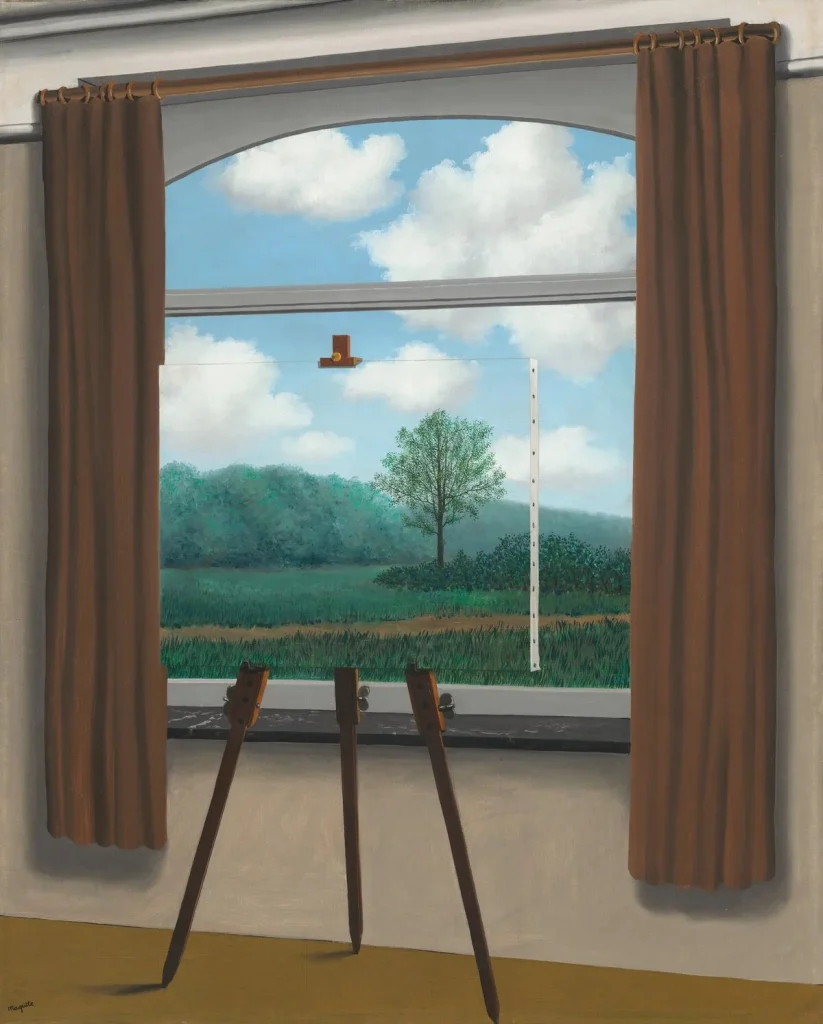
This evolution demonstrates surrealism’s persistent capacity to morph and remain pertinent. Whether addressing themes of identity, technology, or emotional complexity, contemporary poets infuse their work with a surreal essence that continues to captivate and challenge.
4. Surrealism as a Form of Escapism
The complexities and uncertainties of the modern world often lead individuals to seek refuge in artistic expression. Here, surrealism serves as an ideal escape route, offering a rich tapestry of fantasy and imagination. For contemporary poets and their audiences, surrealism provides a method to process and escape from life’s challenges indirectly.
Through the crafting of inexplicable scenarios and fantastical imagery, poets transport readers to alternate dimensions, providing relief from the mundane and often harsh realities of life. The surreal serves as a cathartic journey, enabling readers to explore and resolve complex emotions and thoughts hidden deep within the subconscious. This journey through the dreamscape becomes a shared experience, deeply resonating with a broad audience.
For poets, engaging with surrealism offers not only a personal escape but also a way to comment on and critique society. By layering their works with indirect references and symbolic content, poets can confront societal issues and emotional turmoil, all while wrapping readers in a comforting shroud of otherworldly creativity.
3. The Importance of Surreal Imagery
One of the hallmark features of surrealist poetry is its rich and often jarring imagery. This imagery pushes readers to question their perception and engage with poetry on both an emotional and intellectual level. Poets such as Hilda Doolittle and Ted Hughes have utilized surreal images to defy expectations and present a powerful reflection of human existence.
- Dynamic Sensory Experiences: Surrealist poetry employs symbols and images that invigorate the senses, making the poetry a multisensory experience that resonates deeply with readers.
- Provoking Thought: The unexpected juxtaposition of images not only delights the eye but also encourages a reexamination of reality, challenging established understandings.
- Emotional Connection: Poets successfully use surreal imagery to evoke visceral responses, bridging the gap between abstract concepts and personal emotions, allowing readers to experience sentiments they may struggle to articulate themselves.
Through these techniques, surrealism compels readers to experience poetry as an emotional journey, transforming simple words on a page into vivid, unforgettable experiences.
2. The Dialogue Between Surrealism and Other Literary Currents
The modern poetic landscape is a rich tapestry of influences, and surrealism intersects with numerous other literary styles. Neo-surrealism, a contemporary continuation of this movement, engages in a dynamic dialogue with various literary currents, enriching the poetry it inspires.
Postmodernism, for example, shares many thematic similarities with surrealism. Both movements explore the nature of reality and frequently employ dream-like narratives that blend fact with fantasy. This intersection is a testament to the fluidity of both consciousness and creative thought. Poets who embrace this fusion explore a broader range of perspectives, inviting readers to do the same.
Beyond postmodernism, surrealism interfaces with magical realism and absurdism, borrowing elements from each style to create unique literary experiences. This cross-pollination broadens the scope of poetic expression and makes the art form more accessible to diverse audiences. By blending styles, poets craft intriguing works that open up numerous interpretations, compelling readers to think critically and creatively.
1. The Enduring Impact of Surrealism on Contemporary Poetry
The lasting significance of surrealism in contemporary poetry is found in its power to continuously overthrow conventional boundaries. By nature, surrealist poetry is unpredictable and challenges both writers and readers to think outside traditional frameworks, paving the way for authentic and fearless creative expression.
This boundary-pushing encourages poets to delve into themes that explore the deepest facets of the human condition, from personal identity crises to existential dilemmas. The unpredictability of surrealist poetry invites audiences to reconsider and reimagine their own perceived realities.
In today’s world, surrealism remains a beacon of the unexpected, consistently inspiring a new generation of poets. As these poets articulate their visions through unpredictable narratives, they invite readers to engage with poetry in a way that transcends simple understanding, tapping into the very ethos of surreal existence.
Thus, surrealism endures as a vital framework within poetry, enabling a profound exploration of the human psyche and the myriad layers of contemporary existence.
| Category | Description |
|---|---|
| Subversion of Reality | Surrealism challenges the conventional perceptions of reality, enabling poets to explore unfathomable depths of imagination. This subversion invites readers to question the very fabric of their understanding, allowing for a renewed exploration of the human experience. |
| Emotional Depth | The surreal approach often uncovers complex emotions lurking beneath the surface of everyday life. This emotional resonance can create a profound connection with the audience, evoking feelings that are raw and unfiltered. |
| Innovative Imagery | Surrealist poetry employs bold and vivid imagery that pushes the boundaries of traditional poetic forms. This innovative language allows poets to craft visuals that are not only striking but also thought-provoking, stimulating the imagination of the reader. |
| Exploration of the Subconscious | The surrealistic movement emphasizes the significance of the subconscious mind, encouraging poets to dive into hidden thoughts and dreams. This exploration unveils a universe of creativity and insight previously overlooked. |
The exploration of surrealism in contemporary poetry presents an intricate tapestry woven from the threads of reality’s subversion, emotional depth, innovative imagery, and the subconscious. Each category within this table mirrors the diversity and richness present in surrealist poetry, illuminating the complexities and capabilities that this form of expression offers to both writers and readers alike. As the discourse evolves, it amplifies the importance of understanding these dynamics, urging everyone to delve deeper into the enchanting, unpredictable world of surrealist literature.
Frequently Asked Questions
What is surrealism, and how did it originate?
Surrealism is an artistic movement that began in the early 20th century. It originated from the Dadaist movement and is closely associated with the work of André Breton, who published the first “Manifesto of Surrealism” in 1924. The movement sought to revolutionize human experience by bringing the unconscious to the forefront, thus creating unexpected combinations and dream-like, often bizarre imagery. The aim was to challenge the constraints of rationalism and traditional artistic conventions.
How does surrealism influence contemporary poetry?
Surrealism continues to exert a profound influence on contemporary poetry by encouraging poets to explore the realms of dreams, the unconscious, and unconventional realities. This approach allows poets to express thoughts and emotions that defy logical reasoning, inviting readers into a world where imagination reigns supreme. Contemporary poets often use surrealism to challenge perceptions, provoke thought, and inspire emotional responses. It is a tool for navigating complex themes, from identity and existence to social and political issues.
Who are some notable contemporary poets who employ surrealism in their work?
Many contemporary poets have embraced surrealism, weaving its principles and imagery into their work. Some notable figures include Anne Carson, known for her innovative use of language and form, and Charles Simic, whose poems often evoke a dreamlike quality. Other poets like Dean Young and Mary Ruefle also integrate surrealistic elements, playing with absurdity and the unconscious to enhance the reader’s experience. Their work exemplifies how surrealism remains a vital and evolving component of modern poetry.
Can surrealism in poetry help address social and political issues?
Yes, surrealism in poetry can effectively address social and political issues by enabling poets to confront challenging topics in an abstract and symbolic manner. Through surrealist imagery and techniques, poets can convey the absurdities and contradictions present in societal structures and human behavior. This method allows them to engage with audiences in a way that is both emotionally resonant and intellectually stimulating. By transcending conventional language, they prompt readers to rethink norms and consider new perspectives.
How can I incorporate surrealism into my own poetry writing?
To incorporate surrealism into your poetry, start by exploring your subconscious mind and allowing yourself to write freely without censorship. Experiment with unexpected imagery and juxtapose unrelated concepts to evoke surprise and wonder. Utilize dream-like sequences and metaphorical language to break free from traditional forms and narratives. Embrace the unpredictable nature of the creative process, and remember that surrealism thrives on embracing the bizarre and the beautiful chaos of the unknown.
Conclusion
The exploration of surrealism within contemporary poetry underscores a profound evolution in creative expression. As illuminated throughout the article, this movement bridges the realms of reality and imagination, offering poets a distinctive platform to communicate complex emotions and ideas in unprecedented ways. The key takeaways showcase how surrealism, with its dreamlike and often bizarre imagery, pushes the boundaries of traditional poetic forms, inviting both writers and readers to engage with poetry on a deeper, more personal level.
Firstly, the analysis of surrealism’s historical context reveals its roots in early 20th-century art and literature, where it emerged as a response to the constraints of rationalism and realism. This foundation provided a fertile ground for surrealism’s unique approach to be embraced by modern poets looking to diverge from conventional narratives.
Secondly, the phenomenon highlights how today’s poets employ surreal techniques to address contemporary themes such as identity, existentialism, and societal challenges. By weaving fantasy with reality, poets create a unique narrative that resonates with the audience, offering new perspectives and insights.
Thirdly, the article illustrates how surrealism fosters creativity and experimentation, encouraging poets to explore linguistic innovation and diverse stylistic approaches. This results in a rich tapestry of modern poetry that is both challenging and enlightening.
In summary, the significance of surrealism in contemporary poetry lies in its ability to transform the writing process into a bold exploration of the human condition. For those deeply invested in creative hobbies, delving into surrealist poetry promises not only a broadening of imaginative horizons but also an enriched understanding of one’s unique voice. As we continue to navigate an ever-changing cultural landscape, the unpredictable and mesmerizing nature of surrealism remains more important than ever, providing tools and inspiration for the avant-garde poet within us all.
Related posts:
The Art of Visual Storytelling: How to Tell Stories Through Drawing and Painting
The Art of Visual Storytelling How Illustration Boosts Creativity
Imaginative Expressions: The Impact of Creative Writing on Mental Health and Well-Being
Exploring the Art of Visual Storytelling: How Illustration Can Transform Stories into Imaginative Ex...

Linda Carter is a writer and creative hobbies expert specializing in crafting, DIY projects, and artistic exploration. With extensive experience helping individuals discover their creative potential and bring their ideas to life, Linda shares her knowledge on our platform. Her goal is to empower readers with practical tips, inspiring ideas, and step-by-step strategies for success in the world of creative hobbies.