Cultural Activities Impact on Creativity Boost Hobbies with Dance Music Theater
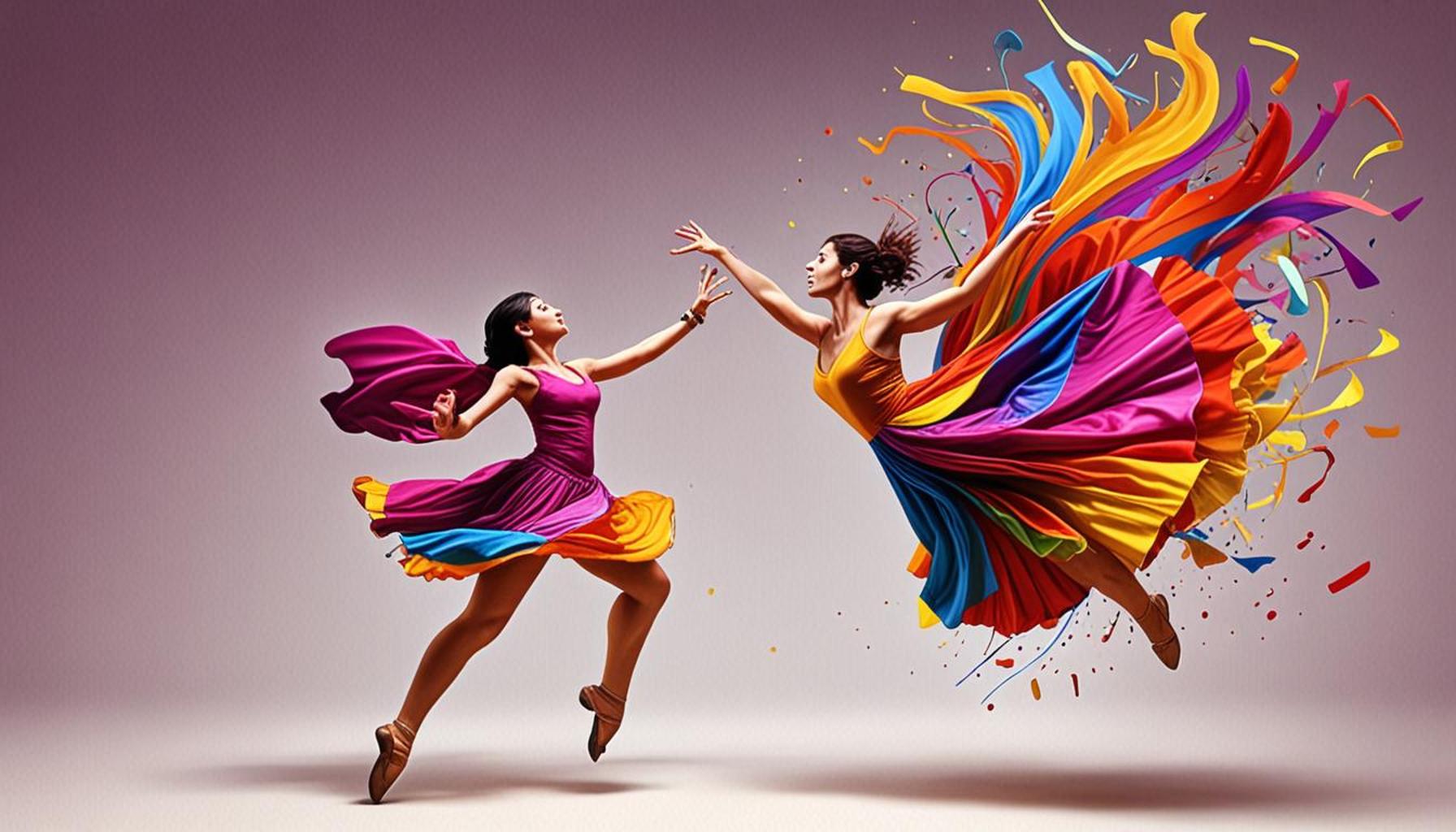
The Profound Connection Between Cultural Activities and Creative Hobbies
The relationship between cultural activities and creative hobbies is undeniably profound. Engaging with art forms such as dance, music, and theater can ignite a spark of creativity that transforms mere pastimes into passionate pursuits. These art forms provide more than just entertainment; they serve as vital components of personal and social development.
As participants delve into these expressive realms, they often discover new ways to think, create, and innovate. This journey into the arts allows individuals to step outside conventional thinking, fostering an environment where imagination flourishes and novel ideas take shape. Through rhythmic movements, melodic sounds, and dramatic expressions, people channel their emotions and thoughts into tangible forms of creativity.
The Cognitive and Emotional Benefits of Cultural Engagement
Current research highlights that involvement in cultural activities can significantly enhance cognitive abilities and emotional intelligence, which are crucial for creative expression. Learning an instrument, for example, does not only improve musical skills but also enhances problem-solving abilities by requiring players to analyze music in a structured yet creative way. By understanding complex musical patterns, one develops a sharper cognitive framework applicable to various life challenges.
Similarly, participating in dance or theater not only provides a physical outlet but also strengthens essential life skills such as confidence, teamwork, and adaptability. These art forms demand discipline, coordination, and the ability to convey complex narratives non-verbally, honing one’s ability to interpret and express emotions effectively. In a world where emotional intelligence is increasingly valued, these skills are incredibly beneficial.
Top Cultural Activities That Inspire Creativity
This article will explore the top 5 cultural activities that significantly stimulate creative hobbies. Readers will uncover how each art form contributes to creativity and provides avenues for artistic expression beyond conventional boundaries.
- Visual Arts: Encourages observation and interpretation, expanding one’s vision and perspective.
- Music: Invites disciplined creativity and emotional exploration through sound.
- Theater: Offers insights into character development and enhances empathy and storytelling.
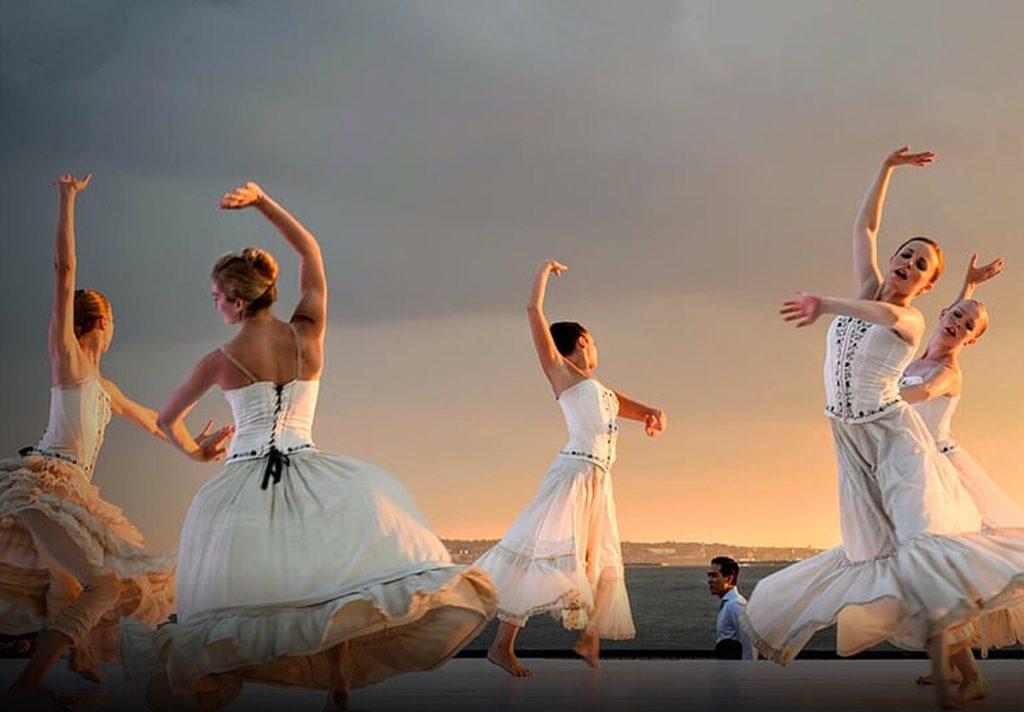
- Dance: Fosters body awareness and expressive freedom through movement.
- Writing: Develops a narrative sense and encourages detailed exploration of language.
Engagement
The Influence of Cultural Activities on Creativity: How Dance, Music, and Theater Stimulate Creative Hobbies
Engaging in cultural activities plays a vital role in fostering creativity and sparking new hobbies. Whether through dance, music, or theater, these forms of artistic expression remarkably enrich our lives and enhance our creative abilities. In this article, we will delve into five significant ways cultural activities boost creativity and inspire new hobbies.
5. Music: The Rhythm of Inspiration
Music, often touted as a universal language, deeply influences our emotions and cognitive functions. Access to various music genres and involvement in playing instruments can trigger the creative sectors of our brain. Research illustrates that listening to music or learning to play an instrument augments neuroplasticity, which is crucial for idea generation and skill development.
Incorporating music into one’s daily life frequently inspires individuals to explore several creative hobbies, including:
- Songwriting
- Music production
- Learning new instruments
Embarking on a musical journey not only boosts creativity but also provides an arena for self-expression and emotional catharsis. The dual nature of music, structured yet improvisational, urges people to transcend conventional thinking and envision innovative solutions in their creative endeavors.
4. Dance: Movement as a Form of Expression
Dancing transcends mere rhythmic movement; it is a potent medium of creative expression that involves both the mind and body. Engaging in dance significantly enhances self-esteem and alleviates stress, establishing a conducive environment for creative thought. Various dance styles can inspire new hobbies, such as:
- Choreography creation
- Dance fitness routines
- Collaborative dance projects
The physical act of dancing bolsters kinesthetic learning and assists in shaping a distinct personal style. Moreover, interpreting music through dance allows individuals to delve into various creative avenues, strengthening their imaginative prowess.
3. Theater: The Art of Storytelling
Theater stands as an exceptional cultural activity that amalgamates diverse artistic elements, including writing, acting, directing, and set design. Engaging in theater cultivates creativity by nurturing an appreciation for storytelling and character evolution. Notably, participation in theatrical productions can ignite several creative hobbies like:
- Playwriting
- Filmmaking
- Costume design
The collaborative spirit prevalent in the theater promotes teamwork and creative brainstorming, which substantially improves problem-solving capabilities. Exploring characters and narratives offers fresh perspectives, thus enhancing one’s ability to think creatively and tackle challenges from varying angles.
2. The Interplay of Dance, Music, and Theater
While each cultural activity uniquely contributes to enhancing creativity, the convergence of dance, music, and theater forms a powerful synergy that magnifies creative potential. This intersection inspires a blend of skills and nurtures creativity across multiple dimensions. Participating in interdisciplinary projects can spur:
- Multimedia performances
- Dramatic dance interpretations
- Musical theater productions
The combined effects of these activities enable individuals to experiment with assorted art forms, stretching their cognitive and creative frontiers. Working across disciplines fosters an environment rich in innovation and discovery, essential for cultivating new hobbies.
1. Cultural Activities as a Catalyst for Lifelong Creativity
The profound influence of cultural activities on creativity lies in their capacity to act as a lifelong catalyst for exploration and self-discovery. Engaging with the arts builds an array of skills, promotes emotional intelligence, and nurtures resilience—all of which are vital for creative thought. Exposure to dance, music, and theater not only inspires immediate hobbies but also underscores the merit of continuous learning. Engaging with these artistic expressions leads to:
- Sustained passion for creative pursuits
- Improved adaptability in artistic expression
- A deeper understanding of cultural narratives
By weaving artistic experiences into our lives, we set the stage for ongoing creativity and self-expression across various life stages. Ultimately, the influence of cultural activities is extensive, motivating individuals to embark on their unique creative journeys and endlessly endeavor in new hobbies aligned with their passions.
The dynamic interplay between cultural activities and creativity offers vast possibilities for personal growth and exploration. As individuals connect with artistic expressions, they tend to cultivate a richer, more fulfilling existence driven by an insatiable curiosity and creativity. From songs and movements to stories played out on stage, dance, music, and theater invite us to embrace our imaginative potential and embark on transformative creative journeys.
| Category | Description |
|---|---|
| Dance | Engaging in dance offers not only a physical outlet but also enhances emotional expression and promotes innovative thinking through movement. Styles like contemporary or ballet encourage participants to interpret music and emotions uniquely, fostering a deeper connection with creativity. |
| Music | Playing an instrument or composing music stimulates the brain in ways that enhance problem-solving skills. The process of learning different genres and styles can inspire hobbies like songwriting or music production, thus broadening creative horizons. |
| Theater | Theater acts as a gateway to imaginative storytelling and character development. Participating in drama encourages individuals to think critically and embrace diverse viewpoints, triggering creative hobbies related to writing, directing, or even stand-up comedy. |
| Interdisciplinary Creativity | Exploring the intersections of dance, music, and theater fosters a unique creative synergy that can lead to innovative projects. Such multi-artform collaborations can encourage individuals to pursue hobbies like film production or digital arts that blend various forms of artistic expression. |
Expanding on the influence of cultural activities, the arts play a significant role in shaping not just individual hobbies but also fostering a community of creativity. For instance, dance workshops often serve as a platform for participants to connect with others who share similar artistic interests, which can lead to collaborations that fuel creativity further. In music, the emergence of digital tools allows budding musicians to blend genres and styles, breaking down barriers that once segmented artistic expressions. The ability to experiment with technology encourages an entire generation to explore innovative pathways in music creation, pushing the envelope of what is traditionally considered creative.Theater, with its emphasis on teamwork and collective storytelling, provides a powerful medium to examine and portray social issues through a creative lens. This not only enhances individual creativity but also encourages participants to engage with their community, sparking discussions around vital topics and inspiring action-based projects that resonate on a broader social level.Furthermore, emphasizing the interdisciplinary approach to creativity, many art programs and schools are now combining different art forms to enrich the educational experience. This fusion has led to notable advancements in creative expression and has encouraged individuals to pursue unique hobbies that incorporate diverse artistic strategies, such as interactive installations that combine visual arts with performance.Overall, engaging with these cultural activities not only injects vigor into personal hobbies but also nurtures a more vibrant and innovative artistic community.
Frequently Asked Questions about the Influence of Cultural Activities on Creativity
How do cultural activities like dance, music, and theater enhance creativity?
Cultural activities such as dance, music, and theater serve as powerful catalysts for creativity due to their ability to engage and stimulate multiple areas of the brain. When participating in these activities, individuals are encouraged to think outside the box, explore new ways of expression, and engage in problem-solving. For instance, improvisational theater fosters quick thinking and adaptability, while learning a musical instrument requires the integration of cognitive and motor skills. These activities can lead to an increase in creative habits, making them a foundational aspect of nurturing one’s creative potential.
Can engagement in the arts influence hobbies outside of artistic disciplines?
Indeed, engaging in the arts can significantly influence and enhance hobbies outside of traditional artistic disciplines. The skills developed through artistic activities such as patience, attention to detail, and innovative problem-solving are transferable to various domains. For instance, a person involved in dance may find that their understanding of spatial dynamics and rhythm could improve their interest and skills in architecture or sports. In essence, the arts provide a broadened perspective and a versatile toolkit that can be applied to numerous non-artistic pursuits.
Is there scientific evidence supporting the connection between cultural activities and increased creativity?
Yes, there is a substantial body of scientific research that supports the link between participation in cultural activities and increased creativity. Studies have shown that engaging in music, dance, and theater can lead to enhanced neural connectivity and improved brain plasticity. This kind of engagement not only boosts cognitive flexibility but also contributes positively to emotional intelligence. By actively participating in cultural practices, individuals often develop new neural pathways that facilitate novel idea generation and creative thinking.
Are all forms of cultural activities equally effective in enhancing creativity?
While all cultural activities have the potential to boost creativity, their effectiveness can vary depending on the individual’s interests, skill level, and the context in which they are practiced. For example, some might find the collaborative nature of theater to be highly stimulating, while others could derive more creative inspiration and challenge from the solitary practice of learning a musical instrument. What remains consistent, however, is that engagement in any form of cultural activity stimulates the mind, fosters open-mindedness, and encourages exploration and experimentation, all foundational elements for creativity.
Conclusion: The Creative Symphony of Cultural Activities
The intersection of cultural activities such as dance, music, and theater with creative hobbies unveils a vibrant synergy that fuels imagination and innovation. As explored throughout this article, these art forms are not merely pastimes; they are profound influences on individual creativity. Through the rhythmic movements of dance, practitioners not only express but also explore their emotional and cognitive landscapes, fostering a breadth of creativity that invigorates other hobbies.
Similarly, music engages a multitude of senses, breaking the barriers between the conscious and unconscious mind. By doing so, it enhances our capacity for abstract thinking, pattern recognition, and emotional depth, which are essential components of creative pursuits. Theater, on the other hand, offers a unique platform for storytelling and character exploration, encouraging empathy and expanding one’s creative perspective.
These cultural activities translate into significant benefits for individuals seeking to enrich their creative hobbies. By nurturing a diverse range of skills and perspectives, they create a fertile ground for originality and invention. Thus, the link between cultural participation and creativity extends beyond simple inspiration; it becomes a cornerstone of innovative thinking and artistic growth.
In conclusion, embracing cultural activities as a complement to creative hobbies can provide valuable insights and skills that are transferable across diverse creative practices. As we strive to nurture our creative spirit and passions, the combination of artistic expression through dance, music, and theater becomes a compelling catalyst for sustained creativity and personal development. Exploring these cultural avenues not only revitalizes our hobbies but also offers the potential for profound personal transformation, encouraging us to delve deeper into the limitless realm of creativity.
Related posts:
The Importance of Cultural Activities in Enhancing Emerging Creative Hobbies
How Participation in Cultural Activities Stimulates Innovation in Creative Hobbies
The Role of Cultural Activities in Inspiring New Trends in Creative Hobbies
The Influence of Music and Dance on Creative and Craft Hobby Practices
The Connection between Cultural Activities and the Development of Individual Creative Projects
The Influence of Cultural Traditions on the Evolution of Modern Creative Hobbies

Linda Carter is a writer and creative hobbies expert specializing in crafting, DIY projects, and artistic exploration. With extensive experience helping individuals discover their creative potential and bring their ideas to life, Linda shares her knowledge on our platform. Her goal is to empower readers with practical tips, inspiring ideas, and step-by-step strategies for success in the world of creative hobbies.