Unlock Personal Growth How Artistic Exploration Boosts Emotional Well-being
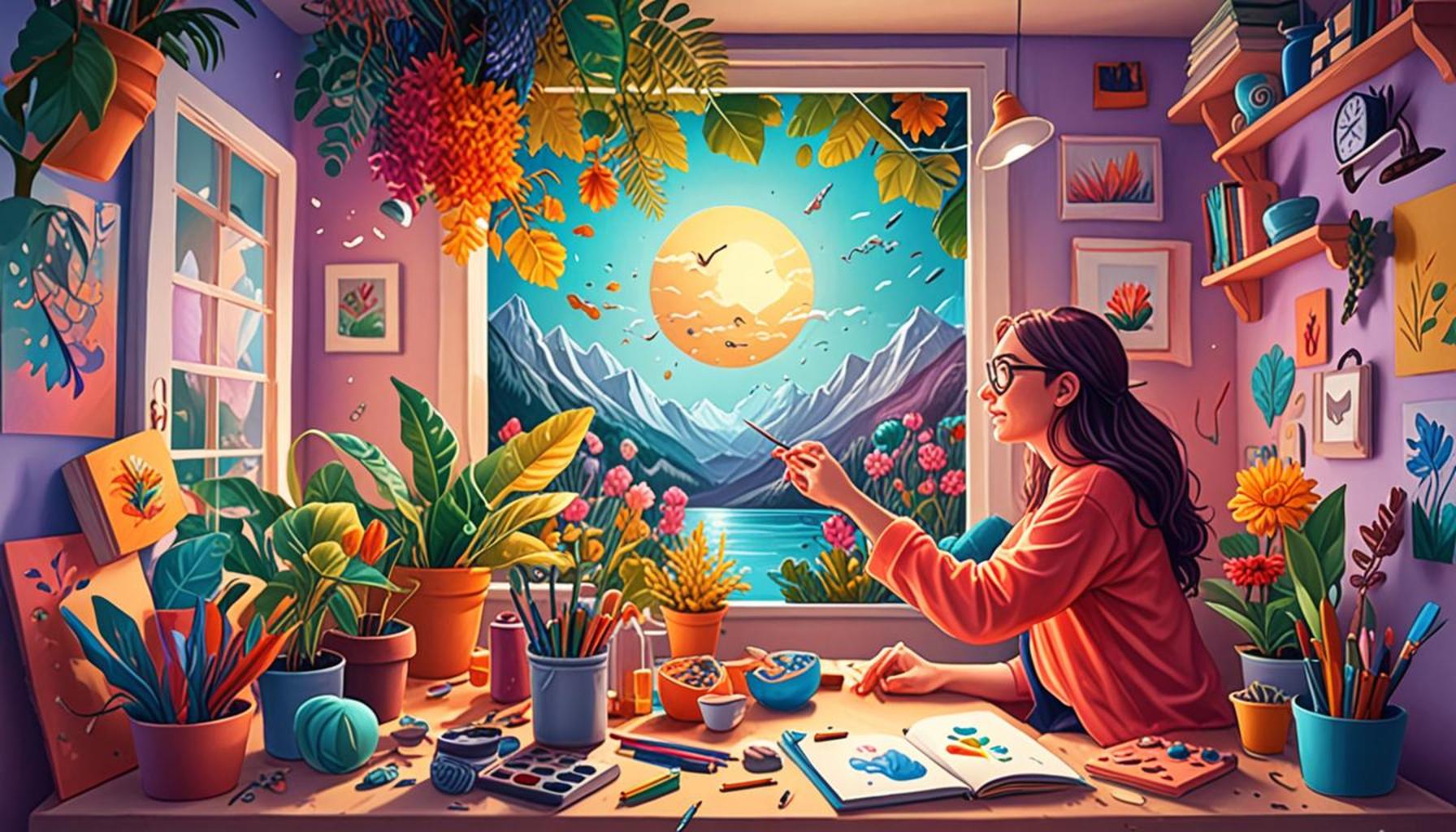
Unlocking Personal Growth Through Creativity
Artistic exploration plays a pivotal role in enhancing both personal growth and emotional well-being. Engaging in creative hobbies allows individuals to express themselves, provides a therapeutic escape, and fosters connections with deeper aspects of their identities.
With the increasing recognition of mental health’s importance, more people are turning to art as a viable tool for self-discovery. Whether through painting, music, writing, or dance, these activities enable self-expression and offer benefits such as:
- Reduction in stress and anxiety
- Improved mood and emotional regulation
- Enhanced problem-solving and critical thinking
- Stronger social connections and community engagement
This article will guide you through the Top 5 artistic pursuits that can unlock your potential and significantly contribute to your emotional well-being. Prepare to explore how these creative avenues can transform not just your artistic capabilities but your life as a whole.
The Role of Artistic Exploration in Personal Growth and Emotional Well-being
Artistic exploration is not merely a recreational activity; it is a profound force that significantly impacts both our creativity and our emotional landscape. Engaging with art can unlock doors to personal growth and emotional resilience, serving as a catalyst for self-discovery and healing. In this article, we explore the top five ways that creative practices enhance our lives, from boosting self-awareness to fostering resilience. Dive with us into this captivating journey and better understand how the arts can transform our existence.
5. Enhancing Focus and Patience
Engaging in artistic activities like painting, sculpting, or creative writing requires not just talent but a keen focus and deep concentration. The process demands that you immerse yourself wholly in the moment, abandoning outside distractions. With the omnipresence of smartphones and the internet competing for our attention, art provides a sanctuary of mindfulness, grounding individuals in the present.
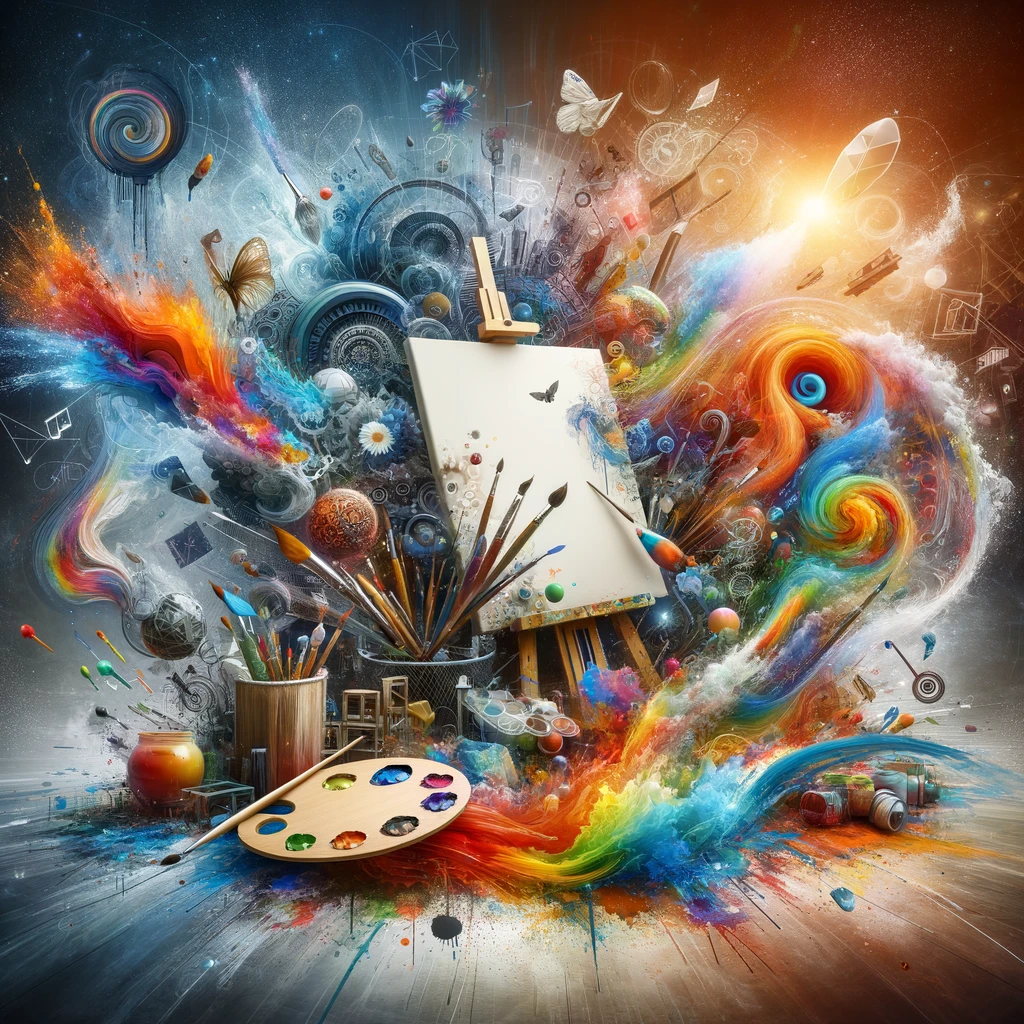
Consider a painter, meticulously layering colors or adjusting shades until achieving the correct hue. This process requires not only prolonged focus but also patience. It’s not uncommon for artists to spend hours perfecting the nuances of their work, thereby cultivating patience as a valuable life skill. This patience transcends artistic pursuits, equipping individuals to handle other life challenges with composure and resolve.
Furthermore, regular engagement with art improves attention spans across diverse contexts, enhancing cognitive function. Studies conducted by various educational institutions have revealed that students participating in art programs often show better academic performance and greater ability to focus. This improved cognitive ability can become an asset in both professional environments and personal interactions.
4. Building Self-Esteem
The process of creating art can significantly bolster one’s self-esteem. Producing something new, whether a colorful canvas or engaging story, breeds a sense of achievement. For beginners, the evolution from novice to skilled artist epitomizes personal growth and development. Each completed project acts as a testimony to one’s dedication and creativity, fostering confidence in one’s abilities.
The concept of self-esteem extends beyond the creation of art. Sharing artwork in classes or community art events can enrich one’s social life, fostering a sense of belonging and connectedness. There’s intrinsic value when people appreciate and critique each other’s work, providing constructive feedback that nurtures a person’s artistic journey. A thriving supportive environment can transform isolated artistic endeavors into a shared passion, offering emotional resilience.
Connecting with others appreciating your work provides critical validation that enhances one’s self-worth. A communal aspect often imbues art projects, where collaboration leads to the joy of shared accomplishment and newfound respect, strengthening personal and collective identity.
3. Stress Relief and Emotional Expression
Art’s therapeutic nature provides an exceptional outlet for stress relief and emotional expression. The cathartic release of capturing feelings onto a canvas or through melodies allows individuals to articulate emotions that might be difficult to vocalize. This form of expression becomes a sanctuary for complex emotions, calms the mind, and provides solace.
Research has documented the reduction of cortisol levels—commonly known as the stress hormone—through art interventions. By painting, sculpting, or engaging in music, individuals often experience an emotional release, leading to decreased anxiety levels. For many, art becomes a healing tool, exploring vulnerabilities and uncovering truths that words fail to express.
Moreover, art therapy is increasingly utilized in clinical settings to support those dealing with trauma. Whether through visual arts, music, or expressive writing, these therapies aid in confronting past experiences and facilitate healing. This encounter with wounds, scrutinized and expressed through art, creates opportunities for emotional growth and better emotional regulation.
2. Cultivating Creativity and Problem-Solving Skills
The cornerstone of any artistic exploration is creativity. However, the ripple effect of creativity extends far beyond artistic boundaries, profoundly influencing one’s problem-solving skills. When creating art, we are often challenged to think inventively, to break free from conventional forms, and to generate novel ideas or interpretations.
This practice of lateral thinking encourages individuals to approach problems from unorthodox perspectives. It’s an invaluable skill in various fields, from business to scientific research, where creative solutions often lead to breakthroughs. By honing these skills, individuals become adept at navigating challenges, improving both decision-making and adaptability.
In our ever-changing world, the ability to approach problems with innovative thinking can spark progress in unexpected ways. The creative mindset nurtured through art influences efforts across domains, bringing satisfaction and achievement in multiple spheres of life.
1. Fostering Self-Discovery and Purpose
Artistic exploration sits at the pinnacle of personal growth, acting as a conduit for self-discovery and self-realization. Engaging with art helps individuals peel away layers of consciousness, reconnecting with their emotions and understanding their core desires and aspirations. Artistic practices serve as a mirror, reflecting internal states and leading to heightened self-awareness.
Experimentation with diverse art forms often uncovers hidden talents and interests, stirring passions previously unrecognized. As individuals journey through graphic arts, writing, or performance, they gain insights that frame their life’s narrative and fuel their sense of purpose. This journey not only awakens them to their identity but also aligns them with a more meaningful path.
As each brushstroke or written word uncovers more of one’s soul, individuals achieve clarity, better navigating dreams and fears. Realizing what inspires and drives them guides toward purposeful existence, energized by an understanding that leads to fulfilling interactions with both the inner self and the outside world.
In conclusion, the benefits of artistic exploration weave intricately through personal growth and emotional wellness. From nurturing self-esteem to uncovering one’s purpose, art plays a profound role in enriching our lives. Engaging with art is more than a pastime—it serves as an essential component in developing a balanced, enriched, and purposeful life.
| Category | Details |
|---|---|
| Self-Expression | Artistic exploration allows individuals to express their inner thoughts and emotions freely, leading to better understanding and acceptance of their feelings. |
| Stress Relief | Engaging in creative activities such as painting, writing, or dancing serves as a form of therapy, helping to reduce stress and anxiety while promoting relaxation. |
| Cognitive Development | Artistic pursuits stimulate critical thinking and problem-solving skills by challenging the brain to think outside the box and explore new possibilities. |
| Community Building | Participating in group art projects can foster a sense of belonging and camaraderie, strengthening connections among individuals with shared interests. |
Frequently Asked Questions on Artistic Exploration and Personal Growth
What is artistic exploration and how does it relate to personal growth?
Artistic exploration refers to the process of engaging in creative activities such as painting, music, writing, dance, or any form of art, with a focus on discovery and expression. It plays a significant role in personal growth by allowing individuals to explore their identities, express emotions, and find new perspectives. When you engage in artistic exploration, it encourages the development of valuable skills such as problem-solving and critical thinking, and can lead to profound personal insights, promoting an enriched understanding of self.
How can artistic exploration enhance emotional well-being?
Participating in artistic activities can significantly boost emotional well-being by providing an outlet for emotional expression and stress relief. Art serves as a medium to process and articulate feelings that might be difficult to express through words alone. Research indicates that engaging in creative arts can reduce symptoms of anxiety, depression, and stress. The act of creation in itself can generate a state of flow, which is a highly meditative state that can lead to increased happiness and a sense of fulfillment.
Can anyone benefit from artistic exploration, regardless of talent or skill level?
Absolutely! The benefits of artistic exploration are not confined to professional artists or those with honed skills. The process is more important than the end product. Individuals of all ages and skill levels can gain from engaging in creative practices. It’s about the experience of creation and the personal growth journey rather than achieving a perfect piece of art. The accessibility of this practice means that everyone has the opportunity to experiment, explore, and discover new facets of themselves through art.
Are there specific types of art that are more beneficial for personal growth?
There isn’t a one-size-fits-all answer to this question, as personal preferences and situations significantly influence what might work best for someone. Some individuals may find solace in the structured nature of writing, where words become a powerful tool for expression. Others may benefit from the freedom and spontaneity found in painting or improvisational dance. The key is to find an artistic medium that resonates with you personally, which will invite deeper engagement and personal reflection.
How can someone start incorporating artistic exploration into their daily life?
Incorporating artistic exploration into daily life can begin with small, manageable steps. Start by dedicating a specific time of day for creative activities, be it morning journal writing, a quick sketch, or even doodling during breaks. Consider attending workshops or classes that interest you, as they provide structure and introduce you to like-minded individuals. Use technology and applications designed for creativity, such as digital drawing pads or music composition apps, which can make art creation more accessible. Most importantly, concentrate on the process rather than the end result, allowing yourself the freedom to explore without judgment.
Conclusion
In exploring the intricate tapestry of personal growth and emotional well-being, artistic exploration stands out as a profound catalyst. The article has delved into the multiple dimensions through which engaging in creative hobbies fosters significant personal transformation, providing individuals with a toolkit for emotional resilience and self-discovery. From the development of a deeper understanding of oneself to the enhancement of one’s emotional intelligence, the impact of arts on personal journeys cannot be understated.
Engaging in artistic pursuits provides an essential outlet for expression and reflection. As people navigate the complexities of their emotions, creative activities such as painting, writing, music, and dance offer a non-verbal medium to articulate thoughts and feelings. This process not only aids in emotional regulation but also leads to a heightened sense of self-awareness and empathy towards others. The cultivation of these attributes forms a cornerstone of personal growth, allowing individuals to connect more profoundly with themselves and the world around them.
Furthermore, the therapeutic value of artistic activities contributes significantly to overall emotional well-being. Immersing oneself in creative projects can alleviate stress, reduce anxiety, and combat depressive symptoms. The pleasure derived from creating something unique and the sense of achievement upon completion act as positive reinforcement, enhancing one’s mood and fostering a sense of purpose and fulfillment.
Ultimately, the exploration of art offers a unique pathway to understanding and evolving oneself. As we embark on our respective journeys of growth, encouraging the integration of artistic endeavors into everyday life becomes essential. Recognizing the transformative power of creativity holds promise for everyone willing to delve into its enriching depths. In a world that grows increasingly complex, the simplicity of creative expression remains a beacon of hope and healing.
Related posts:
The Intersection of Technology and Art: New Frontiers in Artistic Creation
Exploring Cultural Art: How Traditions Influence Creativity
The Influence of Abstract Art on Personal and Emotional Expression
The Art of the Everyday: Finding Beauty and Creativity in Common Objects
The Connection Between Art and Nature: Creative Outdoor Projects
Explore Art Innovatively Blend Traditional Digital Techniques
Linda Carter is a writer and creative hobbies expert specializing in crafting, DIY projects, and artistic exploration. With extensive experience helping individuals discover their creative potential and bring their ideas to life, Linda shares her knowledge on our platform. Her goal is to empower readers with practical tips, inspiring ideas, and step-by-step strategies for success in the world of creative hobbies.